Conservatory Design Trends for 2026
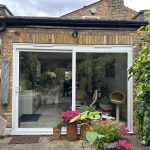
In 2026, conservatories are being designed as true, year-round rooms: lighter, warmer, and more connected to the garden. Homeowners want bigger views, better comfort in every season, and finishes that feel timeless rather than trendy. Below are the leading ideas shaping modern conservatories and glazed extensions this year.
1. Architectural glazing with slimmer sightlines
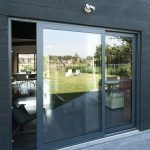
Clean lines and larger panes are the biggest visual shift for 2026. Modern frame systems allow more glass and less structure in the view.
• Slim aluminium frames and minimal mullions for a calmer, more contemporary look.
• Larger sliding doors and hybrid opening systems to blur the line between inside and out.
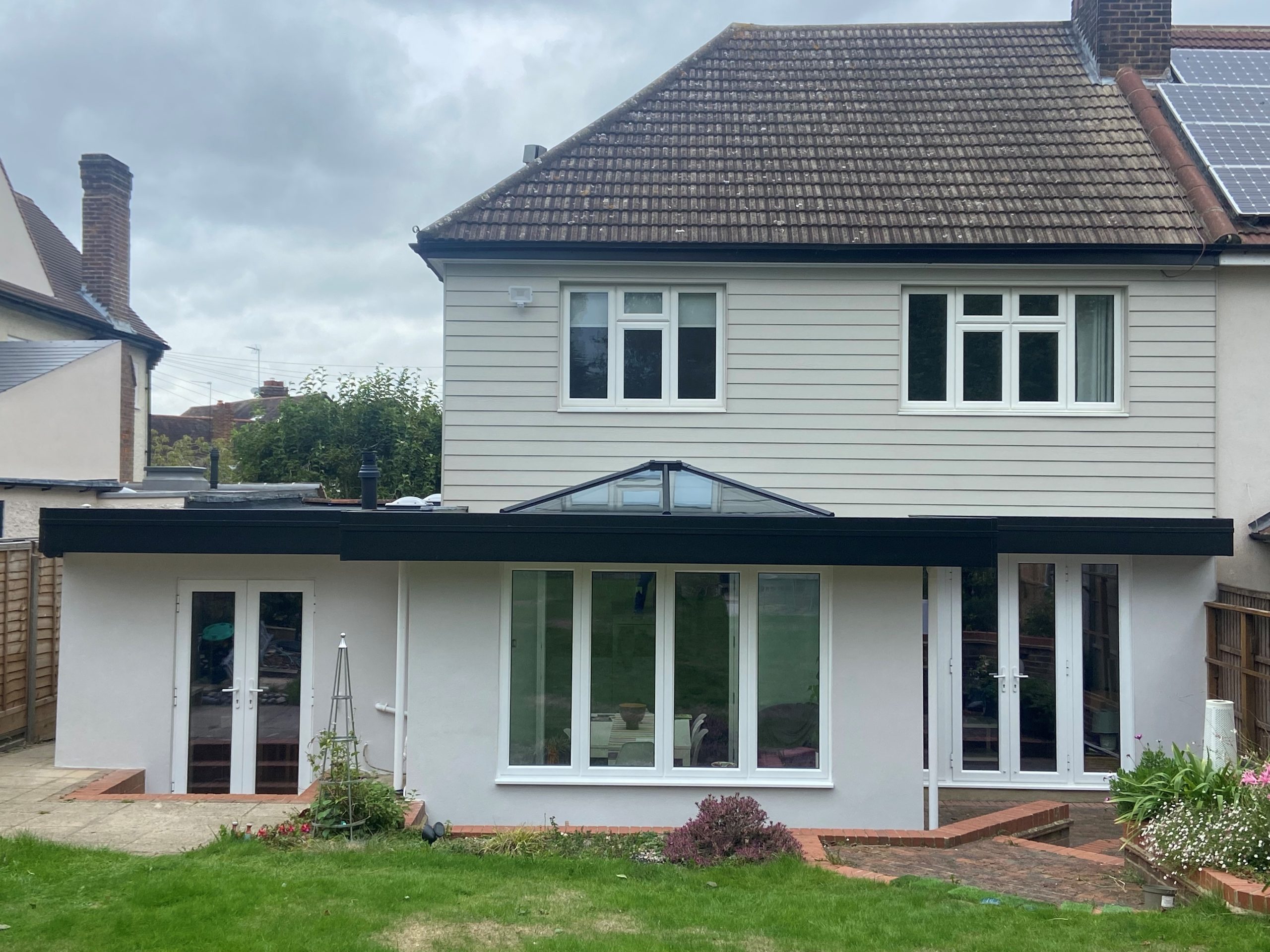
• Roof lanterns and large roof panels to pull light deeper into the home.
• Contemporary details such as flush cills, concealed drainage, and refined hardware.
2. Designed for year-round comfort
Today’s conservatories are expected to perform like the rest of the house. The 2026 approach focuses on thermal performance, ventilation, and solar control to avoid overheating.
• High-performance glazing (including solar-control options) to balance light with comfort.
• Insulated roof solutions (solid, hybrid, or warm roof upgrades) for stable temperatures.
• Ventilation you can actually use: opening roof vents, trickle ventilation, and discreet extractor routes.
• Comfort upgrades such as zoned heating, underfloor heating, and ceiling fans for gentle air movement.
3. Warm minimalism replaces stark contrast
Minimalism is still popular, but the look is softer. Warm neutrals, textured finishes, and natural materials help conservatories feel like a lived-in room, not a glass add-on.
• Frame colours moving beyond hard black: warm greys, soft whites, bronze tones, and muted greens.
• Natural textures: timber, stone, rattan, linen, and limewash-style finishes.
• Layered lighting (spots + wall lights + lamps) to make evenings feel cosy.
• Tactile accessories rather than clutter: a few larger pieces instead of many small items
4. Biophilic design that feels intentional
Bringing nature indoors is evolving from add a few plants into a more considered, architectural approach.
• Built-in planters and bench seating with integrated greenery.
• Vertical planting, herb shelves, or feature trees (olive, citrus, or architectural evergreens).
• Materials and colours that echo the garden: oak, clay, warm stone, and soft greens.
• Sightlines and seating arranged to face views, not just the TV.
5. Multi-functional layouts with subtle zoning
The best conservatories in 2026 work harder: they are dining rooms, offices, play spaces, and calm retreats depending on the day.
• Create zones with rugs, lighting scenes, and furniture orientation (without blocking light).
• Built-in storage that looks like furniture: window seats, low cabinets, and banquette seating.
• Acoustic softening: curtains, fabric blinds, and upholstered pieces to reduce echo.
• Flexible power and charging points planned early for laptops, lamps, and entertaining.
6. Smart tech, quietly integrated
Technology is moving out of sight. The goal is comfort and convenience, not gadgets on display.
• Automated blinds or shading that responds to temperature and sunlight.
• Smart lighting scenes for work, dining, and evenings.
• Optional smart glass upgrades where glare and heat need controlling.
• Security and access upgrades: smart locks, sensors, and discreet cameras where appropriate.
7. Seamless transitions to the garden
More projects are being designed as part of an indoor-outdoor route through the home, not a separate room.
• Flush thresholds and wider openings for an uninterrupted floor line.
• Flooring that works inside and out (porcelain, natural stone, or engineered timber with defined matting zones).
• Covered edges such as canopies, pergolas, or overhangs to extend use in light rain.
• Outdoor lighting planned alongside the conservatory lighting to unify the space.
8. Sustainability through performance and longevity
Sustainable design in 2026 is as much about reducing energy demand and choosing long-lasting products as it is about materials.
• Choose glazing and roof specifications that support lower heat loss and better comfort.
• Prefer repairable, recyclable materials (for example, aluminium systems with strong recycling credentials).
• Consider low-energy comfort measures first: shading, ventilation, and zoning.
• Specify products with clear performance data and robust guarantees for peace of mind.
How to Choose the Right Conservatory for Your Home
Choosing the right conservatory involves balancing aesthetics, functionality, and budget. By considering the purpose, style, orientation, materials, and comfort features, you can create a beautiful, practical space that enhances your home and lifestyle.
Are you interested in finding out more?
Our experienced conservatory team of John and Paul are here to guide you through the entire process. Please get in touch if you are thinking of adding a conservatory to your home, or replacing/upgrading your existing one.

Which? Trusted Trader Window & Door Installers